What Does Your EPC Tell You?
An EPC grades your home’s energy efficiency on a scale from A (most efficient) to G (least efficient). It also includes recommended improvements, most commonly insulation measures, that can increase your rating.
Typical recommendations include loft insulation, cavity or solid wall insulation, floor insulation, upgraded glazing, and draught proofing.
Lower Energy Bills
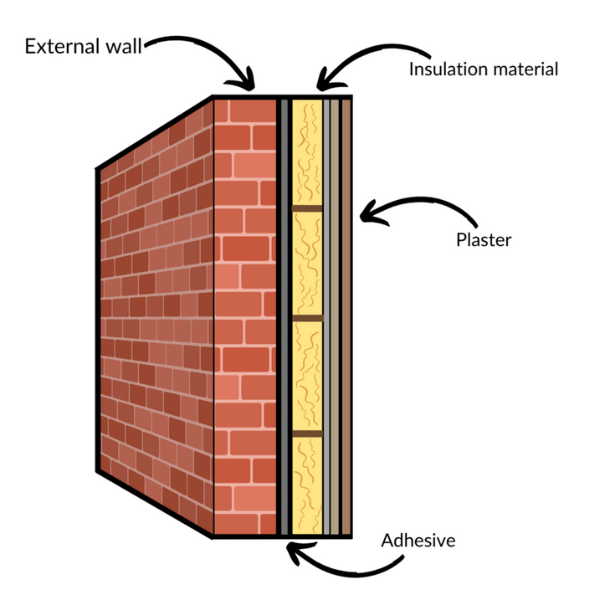
Insulation is one of the most cost-effective ways to reduce heat loss. Without proper insulation, significant heat escapes through roofs, walls, floors, and windows. Improving insulation reduces demand on your heating system, resulting in long-term energy bill savings.
Improved EPC Rating and Higher Property Value
A higher EPC rating makes your home more attractive to buyers and tenants, can improve mortgage options, and helps meet current and future energy regulations.
A More Comfortable Home Year-Round
Insulation helps maintain a stable indoor temperature, keeping homes warmer in winter and cooler in summer, while reducing draughts and cold spots.
Reduced Carbon Footprint
By reducing the energy required to heat your home, insulation lowers carbon emissions and supports the UK’s net-zero ambitions.
Future-Proofing Against Rising Energy Costs and Regulations
Well-insulated homes are less affected by energy price rises and better prepared for tightening EPC regulations, particularly for landlords.
Conclusion
Following your EPC recommendations and upgrading insulation delivers lasting benefits: lower bills, improved comfort, higher property value, and reduced environmental impact.